
Power as the Asset: Underwriting the Data Center Surge

📅 March 9, 2026
For decades, commercial real estate underwriting has been a function of "sticks and bricks." In the data center sector, that era is over. Square footage is no longer the primary unit of value; it is now an ancillary expense. In 2026, the only metric that dictates the capital stack is the Megawatt.
Real estate has traditionally been about the dirt. Today, it is about the grid.
The institutional shift from "Enterprise" data centers to "AI Factories" has fundamentally decoupled this asset class from traditional CRE benchmarks. If you are evaluating a deal based on a standard cap rate and price-per-square-foot, you are mispricing the risk. The market has shifted toward a $3 trillion infrastructure supercycle where power availability is the ultimate "moat."
Institutional Insight: The $3 Trillion Mandate
According to the latest JLL 2026 Global Data Center Outlook, the total investment in data center infrastructure is projected to exceed $3 trillion over the next five years. This is not a speculative bubble; it is a structural rebuilding of the global economy's engine.
JLL’s research highlights a critical pivot: global data center capacity is on track to hit 200GW by 2030. The driving force is no longer just cloud storage or streaming: it is the transition from AI "training" to AI "inference."
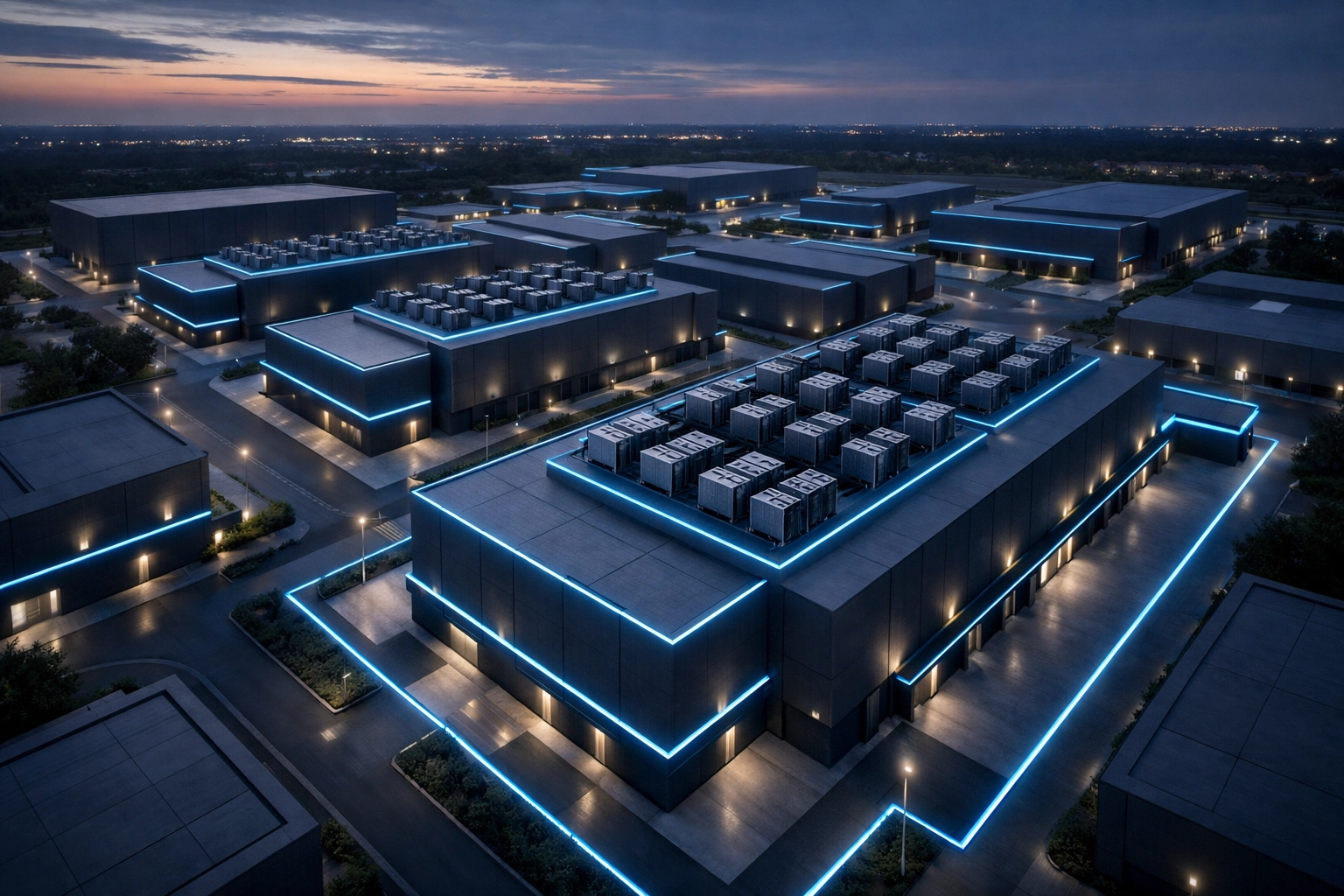
Training large language models requires massive, centralized compute power. Inference: the process of the AI actually answering queries for users: requires localized, low-latency execution. As AI applications move into the production phase across every industry, the demand for "Inference-ready" facilities is skyrocketing.
Institutional capital is following this shift. JLL notes that the scarcity of power is creating a two-tier market. Tier 1 markets like Northern Virginia and Dallas are facing multi-year delays for new utility connections. Consequently, secondary and tertiary markets with existing "shovel-ready" power are seeing unprecedented institutional interest and compressed yields.
The Evolution of the Capital Stack
The traditional capital stack for a data center used to look like any other NNN industrial play. Today, it resembles project finance.
Lenders are no longer just looking at the creditworthiness of the tenant (though hyperscalers like Microsoft, Google, and AWS still dominate). They are looking at the "Speed-to-Power." A building with a 20MW allocation today is worth significantly more than a 50MW "planned" site that won't see a substation for 48 months.
1. From NNN to Power-Based Valuation
Underwriting has moved toward a $/kW model. In 2026, we are seeing debt providers offer higher leverage for facilities that have secured long-term Power Purchase Agreements (PPAs). These agreements provide the "clean" energy and price stability that institutional investors require for their ESG mandates and operational predictability.
2. The Infrastructure-Lite Model
Private equity groups and syndicators are increasingly adopting an "infrastructure-lite" approach. This involves owning the shell and the power connection but allowing the tenant to bring their own high-density racks and cooling systems. For the borrower, this reduces CAPEX. For the lender, it requires a specialized understanding of the "re-tenanting" risk. If an AI tenant leaves, can the power infrastructure support a different cooling technology?
3. Private Credit Dominance
As traditional banks manage their balance sheets, private credit and infrastructure funds have stepped into the void. These lenders are comfortable with the high-density requirements of AI: often exceeding 100kW per rack: which would terrify a standard regional bank. We are seeing bridge-to-permanent financing structures that specifically account for the 24-month utility "ramp-up" period.
Capital Markets Interpretation: What This Means for Borrowers
The divergence between "legacy" data centers and "AI-ready" facilities is creating a liquidity gap. Legacy facilities (those with 5-10kW per rack capacity) are seeing a widening of spreads as they face potential obsolescence. Conversely, AI-ready facilities are benefiting from a surge in originations.
For Borrowers:
The key to securing competitive financing in 2026 is demonstrating energy resilience. This includes on-site battery energy storage systems (BESS) and backup generation. Lenders are currently pricing in a "reliability premium." If your facility can operate independently of a stressed grid during peak hours, your debt pricing will reflect that lower risk profile.
For Lenders:
The DSCR (Debt Service Coverage Ratio) is no longer a static number. Underwriters are now performing "power sensitivity analysis." They are asking: What happens to the tenant’s margin if electricity costs rise by 20%? What is the PUE (Power Usage Effectiveness) of the building? A lower PUE signifies a more efficient building, which directly correlates to a tenant's ability to pay rent during energy price spikes.
Strategic Takeaway for Investors and Operators
Success in the 2026 data center market requires a shift in strategy. You are no longer in the real estate business; you are in the energy logistics business.
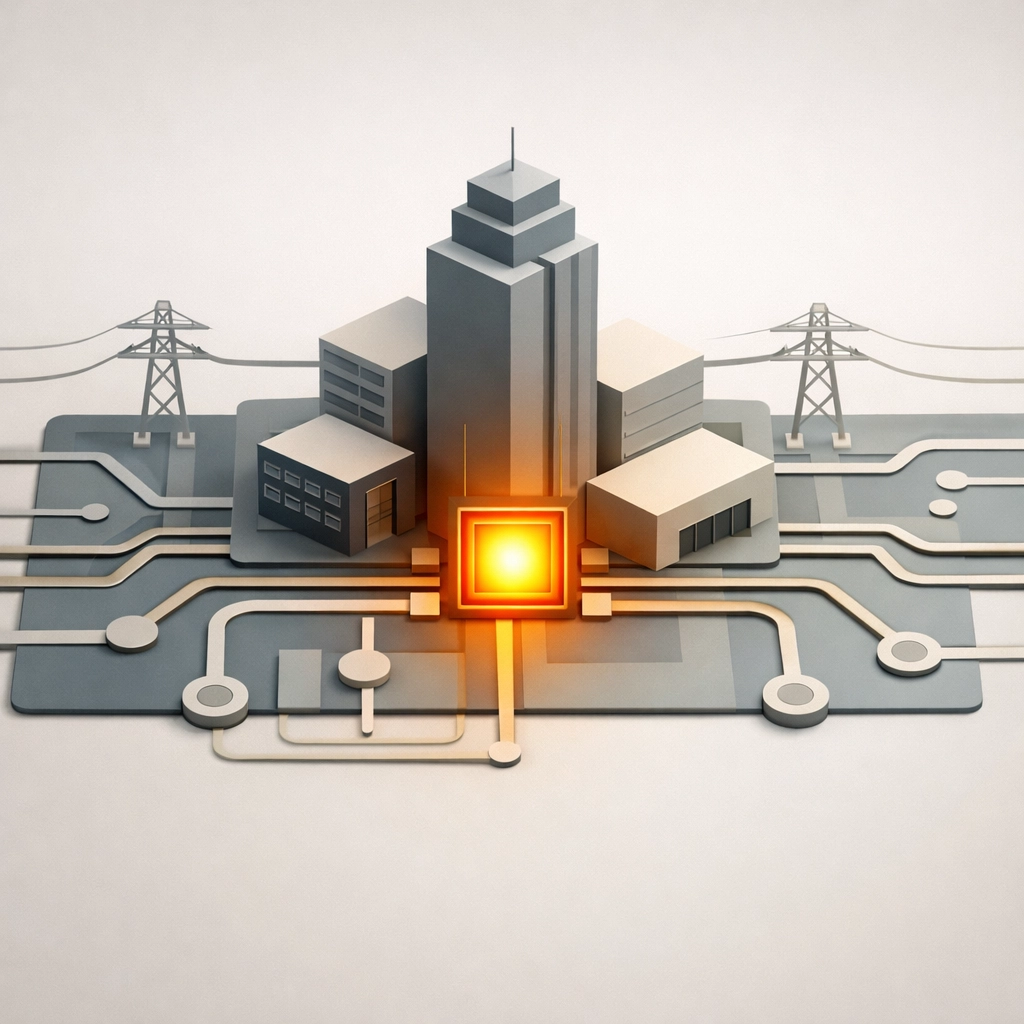
The $3 trillion investment wave is not a rising tide that lifts all boats. It is a highly selective surge. Those who control the power will control the market. As the sector matures, the ability to navigate the complex intersection of utility infrastructure and institutional finance will be the defining skill of the successful 2026 sponsor.
Soft CTA
If you are navigating the complexities of securing debt for high-density data center projects or looking to recapitalize an existing portfolio to meet AI infrastructure standards, reach out to our team at Triton Equity Group. We specialize in structuring the capital stack for complex, power-intensive assets.
Contact our advisory team to discuss your strategy.
SEO Requirements Check:




Continue Reading



Have a Deal in Progress?
Let’s structure the right capital solution.
