
The Acuity Pivot: Why Outpatient Facilities are Dominating Healthcare Capital

📅 March 9, 2026
The Decentralized Mandate
The traditional hospital campus is no longer the center of the healthcare investment universe. For decades, the "on-campus" designation was the primary driver of Medical Office Building (MOB) valuations. That hierarchy has inverted. In 2026, the capital markets are prioritizing decentralized, high-acuity outpatient facilities over traditional inpatient infrastructure.
This is not a temporary shift in preference. It is a structural realignment of the capital stack.
Sponsors who continue to underwrite general-purpose medical office space based on proximity to a flagship hospital are missing the "Acuity Pivot." The real alpha is now found in off-campus facilities capable of handling complex surgical, cardiovascular, and orthopedic procedures. These assets offer superior durability, higher tenant retention, and more aggressive lending terms than almost any other asset class in the current environment.
Institutional Insight: The Supply-Demand Imbalance
According to the CBRE 2026 U.S. Real Estate Market Outlook, the healthcare sector is facing a significant supply constraint. Medical outpatient building completions have slowed to levels not seen in over a decade. While demand for specialized care remains at an all-time high: fueled by a Baby Boomer demographic that has officially reached peak clinical utilization: the delivery of new specialized space has stalled.

Key data points from the current research include:
- Construction Decline: Total MOB completions for 2026 are projected to remain significantly below historical averages, creating a "scarcity premium" for existing Class A assets.
- Occupancy Resilience: National healthcare occupancy has stabilized at roughly 92.5%, with high-growth markets in the Sunbelt exceeding 95%.
- Absorption Rates: Net absorption of outpatient space continues to outpace new supply, driving consistent year-over-year rent growth of 2.5% to 3.0%.
For the healthcare real estate capital markets, this supply-side constraint is a fundamental de-risking mechanism. Lenders are increasingly comfortable with the long-term viability of these assets because the "barrier to entry" for new competition is no longer just land: it is the astronomical cost of specialized fit-outs and the regulatory complexity of Certificate of Need (CON) requirements.
The Rise of High-Acuity Outpatient Centers
The pivot toward outpatient care is being led by Ambulatory Surgery Centers (ASCs) and specialized clinics. In 2026, the distinction between "standard MOB" and "high-acuity outpatient" is the most important factor in commercial real estate debt strategies.
Why Acuity Matters to Underwriters
Lenders view high-acuity tenants: such as oncology, dialysis, and orthopedic surgery: as "sticky." These tenants invest between $400 and $600 per square foot in specialized equipment and tenant improvements (TIs). This level of capital expenditure by the tenant acts as a functional guarantee of lease renewal.
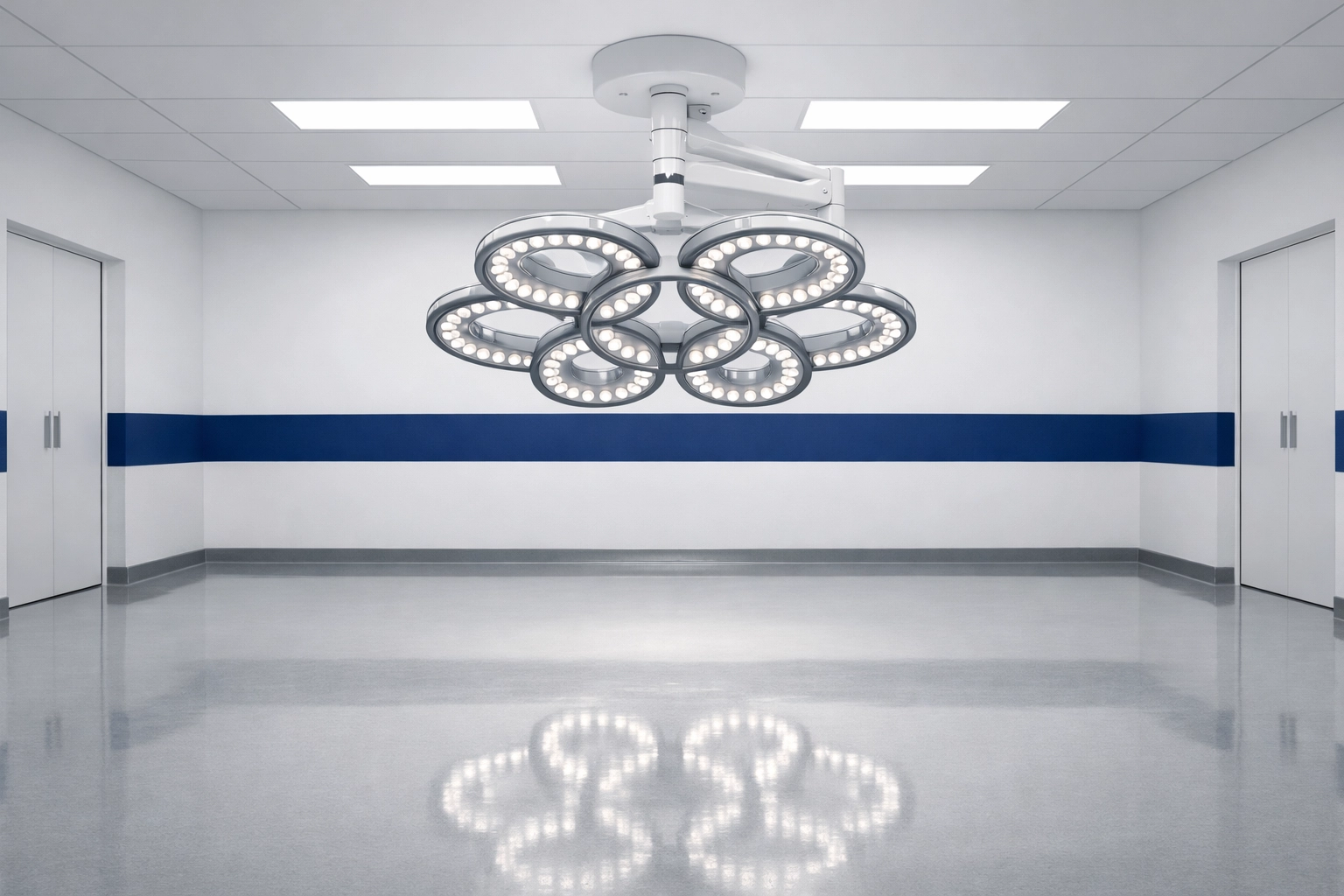
When a tenant spends $5 million to build out a four-OR (Operating Room) surgery center, the likelihood of them vacating at the end of a 10-year term to save $2.00 per foot in rent elsewhere is virtually zero. This operational moat is exactly what institutional debt providers are looking for in a volatile market.
The EBITDA Transition
Institutional investors are no longer just looking at the real estate; they are looking at the health of the underlying business. Valuations for outpatient facilities are increasingly tied to the EBITDA of the practice groups occupying them. This "med-tail" approach: merging healthcare with retail-style location analytics: is allowing savvy developers to secure superior terms by proving the profitability and patient-capture rates of their specific sites.
Capital Markets Interpretation: Debt and Spreads
The lending environment for healthcare assets remains among the most competitive in the industry. While other sectors struggle with liquidity, Triton Equity Group continues to see robust appetite from life insurance companies, CMBS 2.0 conduits, and specialized debt funds.
Current Lending Profiles
- Life Companies: These lenders are aggressively targeting long-term, fixed-rate debt for high-credit physician groups and health-system-backed leases. They are prioritizing 10-to-15-year NNN structures with built-in rent escalations.
- Debt Funds: For sponsors executing a conversion strategy: turning vacant retail or office into medical outpatient space: debt funds are providing the necessary bridge capital. These lenders are focusing on the "yield on cost" once the high-acuity tenant is secured.
- Regional Banks: While many regional banks have pulled back from general office lending, they remain active in the medical space, particularly for owner-occupied professional practices where the borrower has a strong local deposit relationship.
Underwriting the DSCR Stress Test
Lenders are currently applying a 1.30x to 1.45x Debt Service Coverage Ratio (DSCR) requirement for most medical assets. However, for "high-acuity" centers with investment-grade healthcare systems on the lease, we are seeing flexibility. In some cases, spreads are tightening by 15–25 basis points for assets that feature a mix of primary care and high-margin specialty services.
Strategic Takeaways for Sponsors and Operators
To capitalize on the Acuity Pivot, sponsors must shift their investment advisory focus toward specialized infrastructure.
- Focus on Power and Plumbing: High-acuity outpatient centers require redundant power systems, medical gas lines, and specialized HVAC. Projects that are pre-engineered for these requirements will command a higher valuation and more favorable debt terms.
- Credit Mixing: Aim for a "hub and spoke" tenant mix. A credit-backed health system "anchor" combined with several high-margin private physician groups provides both the security of institutional credit and the upside of higher market rents from smaller suites.
- Site Selection: Prioritize "retail-adjacent" locations. Patients now expect healthcare to be accessible, convenient, and close to where they live and work. The move toward "med-tail" is not just a trend; it is a clinical requirement for patient retention.

Summary of Market Dynamics
The healthcare sector is decoupled from the broader office market. While the 2026 outlook for traditional office space remains challenged by structural shifts in work patterns, healthcare is benefitting from an aging population and a clinical shift toward outpatient delivery.
The strategy for the remainder of the year is clear: target assets that provide essential clinical services that cannot be replicated in a virtual or residential setting. The more specialized the facility, the more durable the cash flow, and the more aggressive the capital stack will be.
Strategic Consultation
Navigating the nuances of healthcare capital markets requires a deep understanding of both real estate fundamentals and clinical operational trends. If you are evaluating a specialized medical development or looking to recapitalize an existing outpatient portfolio, our team can help structure the debt to maximize your internal rate of return.
To discuss your specific project or to explore commercial real estate opportunities in the healthcare space, reach out to our analysts today.
Contact Triton Equity Group to discuss your capital markets strategy.
Internal Link Suggestions:




Continue Reading


Have a Deal in Progress?
Let’s structure the right capital solution.
