
The Service Retail Guard: Underwriting Necessity in a Volatile Market

📅 March 10, 2026
The narrative that retail is a distressed asset class has been thoroughly dismantled by the performance data of 2025 and the first quarter of 2026. While the "retail apocalypse" headlines dominated the previous decade, the current market is defined by a different reality: a severe supply-demand imbalance that has turned service-oriented retail into one of the most resilient "guards" in a diversified portfolio.
For capital markets participants, the focus has shifted from high-growth speculative plays to the fundamental durability of cash flow. In this environment, necessity-based retail is not just a secondary asset class; it is a primary defensive strategy for securing favorable debt terms and protecting equity.
The Supply Vacuum: Underwriting the 30 Million Square Foot Floor
The most critical factor driving the 2026 retail landscape is the unprecedented scarcity of new inventory. According to the latest Marcus & Millichap 2026 Retail Outlook, total retail completions are projected to hover around a record-low 30 million square feet.
To put this in perspective, this is a fraction of the historical average. For lenders, this supply constraint acts as a natural hedge against vacancy. When underwriting commercial real estate debt strategies, the lack of new competition provides a high degree of certainty regarding tenant retention. If a tenant leaves, there is virtually no "new-build" pressure to undercut rents, allowing landlords to maintain or even push pricing power during lease-up.
This supply vacuum is particularly pronounced in the "service retail" sector: businesses like medical clinics, fitness centers, veterinary offices, and high-end salons. These tenants require specific physical locations and "last-mile" proximity to their customer base, further insulating the asset from the e-commerce pressures that historically plagued soft-goods retail.
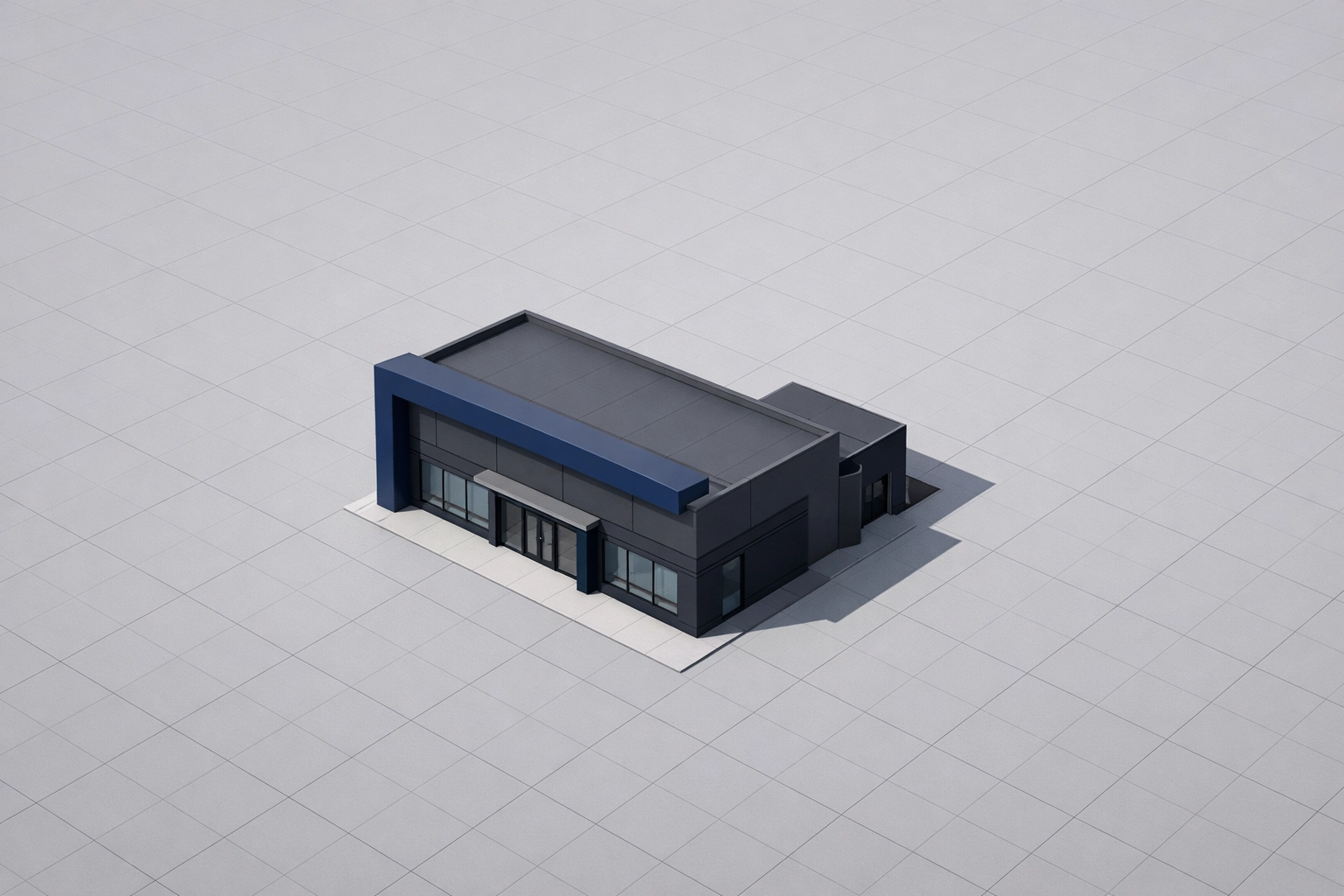
The Necessity Floor: Analyzing the 5% Vacancy Benchmark
Data from the first quarter of 2026 confirms that necessity-based retail vacancy rates remain anchored near 5%. This is not an anomaly; it is the result of structural shifts in consumer behavior and disciplined capital allocation.
From a capital markets strategy perspective, a 5% vacancy rate signals a "stabilized" environment that attracts lower-cost capital. When we evaluate potential acquisitions or refinances, we look at the "sticky" nature of the tenant base. A shopping center anchored by a grocery store or a healthcare provider behaves differently than a mall anchored by a department store.
The Service Advantage
Lenders are currently pricing this stability. Spreads for service-anchored centers are tightening relative to office or discretionary retail, making it a preferred asset class for DSCR commercial real estate calculations.
Capital Markets Interpretation: The DSCR Multiplier
In the current environment, the Debt Service Coverage Ratio (DSCR) is the ultimate arbiter of deal viability. Lenders are no longer just looking at the LTV (Loan-to-Value); they are performing deep-dive "stress tests" on the durability of the Net Operating Income (NOI).
Why Service Retail Wins the DSCR Test
When calculating DSCR commercial real estate metrics, lenders apply varying levels of "haircuts" to different income streams.
This means that for the same amount of NOI, a service-based retail asset can often support a higher loan amount or achieve a more competitive interest rate than other asset classes. We are seeing a proliferation of investment advisory services focusing specifically on optimizing these tenant mixes to maximize debt capacity.
The Yield Play
For sponsors, the opportunity lies in the "yield spread." With necessity retail cap rates showing stability while debt markets begin to institutionalize this asset class, the gap between the cap rate and the cost of debt provides a compelling levered return. The 2026 market is rewarding those who understand the nuance of the tenant roster rather than just the physical location.

Navigating the Capital Stack: What Works Today?
The architecture of the capital stack in 2026 has evolved. We are moving away from purely senior-debt structures toward more nuanced financing.
Strategic Takeaway: The Operator's Playbook
To capitalize on the commercial real estate trends 2026, operators must transition from being "landlords" to "active asset managers." The goal is to curate a tenant mix that is fundamentally indispensable to the local community.
The "Service Retail Guard" is not just a metaphor; it is a description of the asset class's role in the current capital markets. By providing a floor for vacancy and a ceiling for DSCR reliability, necessity-based retail has cemented its place as the defensive play of choice for 2026.
If you're evaluating refinancing options or acquisition financing in this environment, reach out to discuss strategy.
Internal Link Suggestions




Continue Reading



Have a Deal in Progress?
Let’s structure the right capital solution.
