
The Silver Tsunami: Why Healthcare Real Estate is the Resilient Play for 2026

The math is simple.
By 2030, every single baby boomer will be 65 or older. That's 73 million Americans entering their highest healthcare consumption years, all at once.
And the commercial real estate market isn't ready.
This isn't speculation. It's demographic inevitability. And for investors willing to look past the noise of office vacancies and retail bankruptcies, healthcare real estate offers something increasingly rare in 2026: guaranteed demand growth with structural supply constraints.
Here's why medical office buildings and senior housing are becoming the defensive play of choice.
The Silver Tsunami: Why 2026 is a Turning Point
The U.S. is crossing a demographic threshold that has never happened before.
JLL's 2026 Healthcare Real Estate Trends report projects the senior population will grow by 50% over the next decade. By 2034, Americans aged 65+ will outnumber those under 18 for the first time in history.
Healthcare spending follows age. Seniors spend three times more on healthcare than younger adults. They visit doctors more. They need outpatient procedures. They require specialized facilities.
This creates non-cyclical demand. Recessions don't stop hip replacements. Interest rate hikes don't pause dialysis treatments.
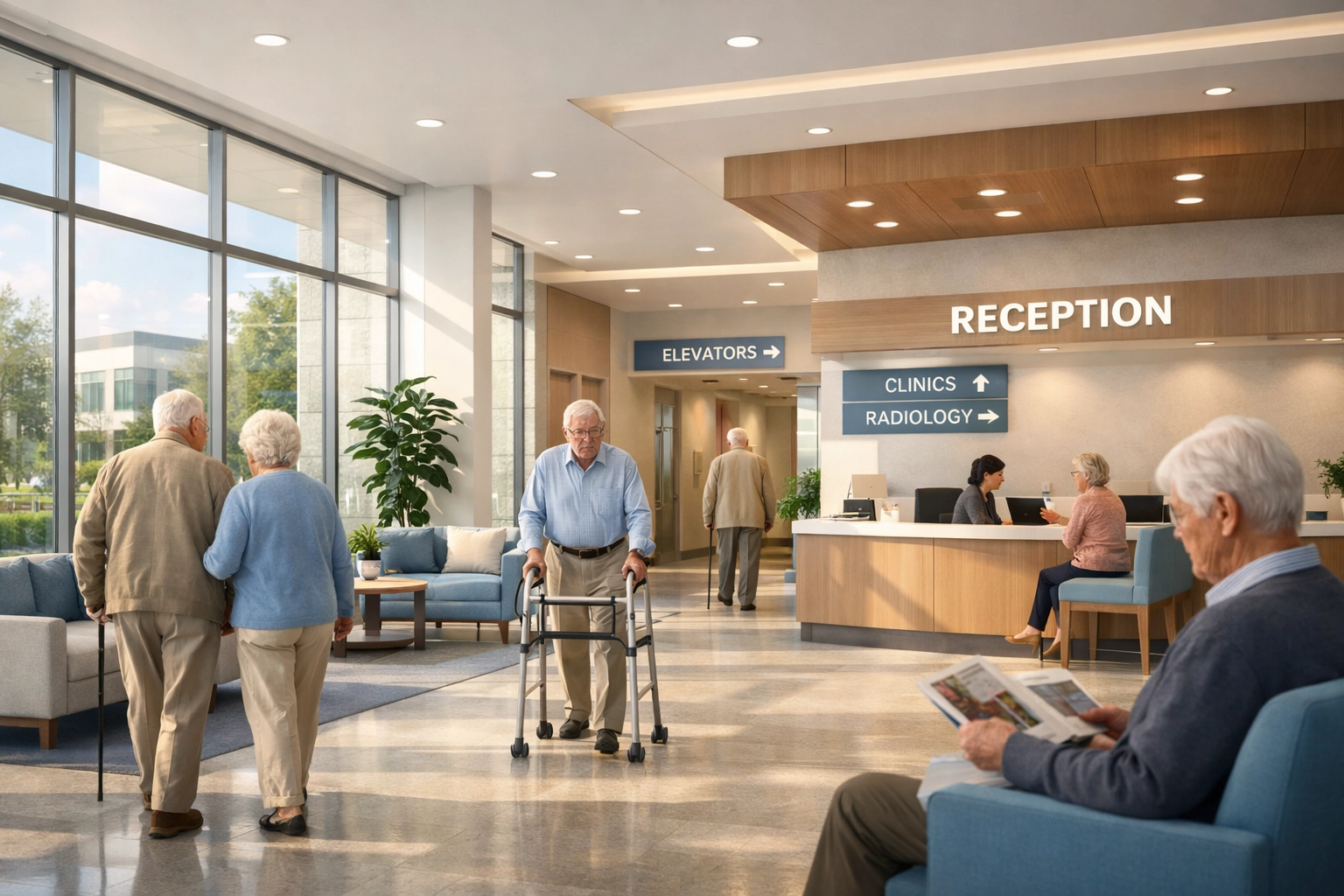
The result? Healthcare REITs posted 8.0% year-over-year net operating income growth as of Q3 2024, outpacing most other property sectors during a period of economic uncertainty.
The capital markets are noticing. Healthcare REITs now represent 13.8% of equity market capitalization in the FTSE Nareit All Equity Index, more than quadruple their weight in 2000.
MOB Supply Crunch: Construction Hits a Decade Low
Here's where the opportunity gets interesting.
While demand surges, supply is collapsing.
CBRE's U.S. Healthcare Real Estate: 6 Key Trends documented a 26% decrease in medical office building construction completions compared to historical averages. Developers are pulling back due to rising construction costs, labor shortages, and tighter lending standards.
Senior housing faces an even sharper gap. The industry is projected to experience a shortfall of 550,000 units by 2030 at current development rates. To maintain 90% occupancy, the sector would need to build at nearly double its historical maximum pace, a target that's functionally impossible given current financing conditions.
Translation: existing MOB owners are sitting on assets with built-in pricing power.
Absorption rates confirm the thesis. Over 6,500 senior housing units were absorbed in Q3 2024 alone. Eight of the past 12 quarters exceeded the previous historical maximum of 5,500 units.
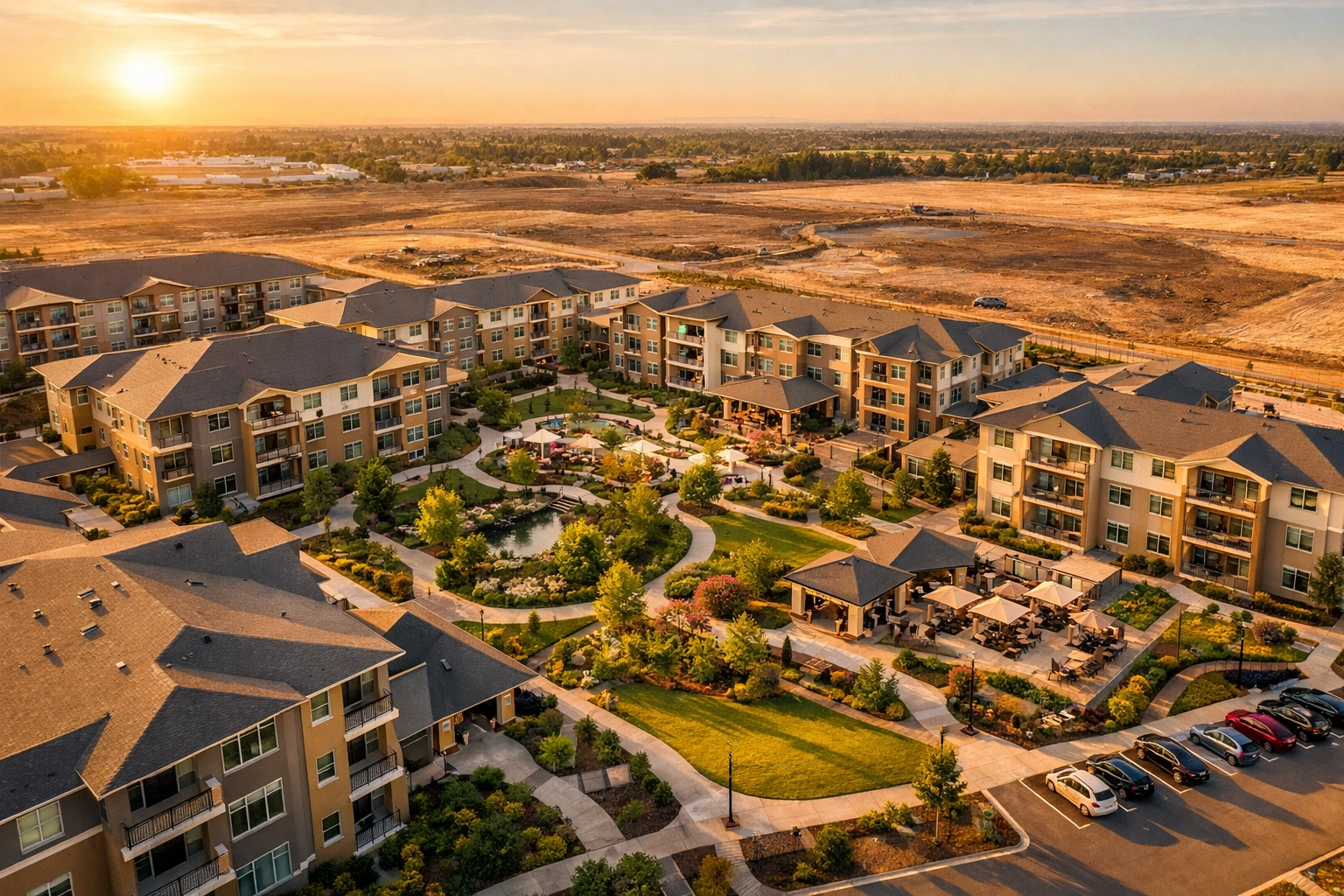
The investment gap could reach $800 billion by 2050 if development doesn't accelerate. For investors already positioned in quality healthcare properties, that's not a problem, it's a competitive moat.
The Outpatient Shift: $412/SF Fit-Out Realities
Healthcare delivery is fundamentally changing.
Patients want convenience. Payers want lower costs. Providers want profitability.
The answer? Outpatient facilities.
Procedures that once required hospital stays, joint replacements, cataract surgeries, cancer treatments, are moving to ambulatory surgery centers and specialized MOBs. JLL's 2026 Healthcare Real Estate Trends report shows the average fit-out cost for medical office space hit $412 per square foot in high-demand markets.
That's not a typo. Four hundred twelve dollars.
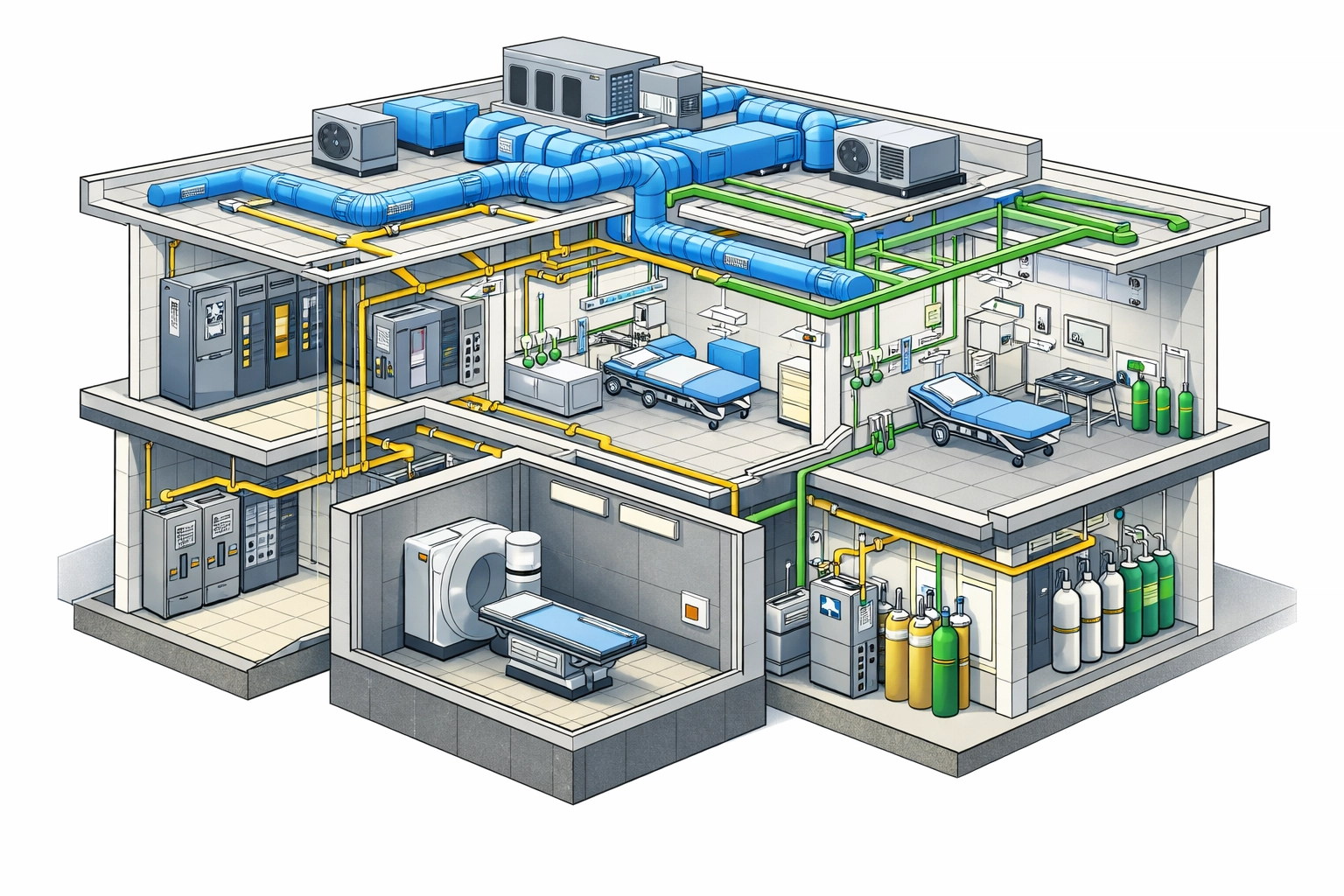
Why so high? Medical-grade HVAC systems. Specialized electrical capacity. Radiation shielding. Oxygen lines. Waste disposal systems. These aren't traditional office builds.
This creates a barrier to entry. New competitors can't just lease generic office space and hang a shingle. The capital intensity of proper medical fit-outs protects incumbent operators from rapid supply influx.
Healthpeak Properties operates 524 MOBs with year-to-date leasing volumes of 3.2 million square feet and 91% occupancy. Their portfolio demonstrates how well-located, properly equipped medical facilities maintain stable cash flow through economic cycles.
For borrowers looking to refinance existing healthcare properties before the maturity wall hits, the underlying fundamentals support aggressive valuations. Lenders understand the demand thesis.
Why Investors Love Recession-Resistant Healthcare
Let's talk performance.
Healthcare REITs returned an average 24% over the past 12 months in 2025. Senior housing specifically delivered over 44% returns.
Compare that to office REITs.
The sector's balance sheet strength provides additional comfort. Healthcare REITs maintain weighted average debt maturity of seven years, with 93.1% of total debt at fixed rates and 90.5% unsecured. That's financial flexibility most property sectors can't match.
Colliers' Healthcare Real Estate Capital Flows analysis projects total U.S. healthcare spending will hit $2 trillion in 2026, a figure that underpins rent collection across the entire sector.
The pandemic stress test validated the resilience thesis. Within five quarters of vaccine rollouts, occupancy rates and absorption returned to near pre-pandemic levels. Essential services don't disappear during crises.
Baby boomers represent the wealthiest generation in history. More than 40% of seniors can afford senior housing without depleting savings. This isn't low-income housing dependent on government subsidies. It's private-pay, market-rate real estate backed by accumulated wealth.
Actively managed REIT funds are positioning accordingly. As of Q3 2024, they overweighted healthcare by 115% relative to its index share, the highest sector overweight in the entire REIT universe.
The Financing Angle
For commercial real estate borrowers evaluating sector allocation in 2026, healthcare properties offer distinct advantages during the refinancing cycle.
Lenders view healthcare as lower-risk. Default rates historically run below multifamily and significantly below retail or office. The tenant base, hospitals, physician groups, dialysis operators, typically carries strong credit profiles with long-term lease structures.
Bridge lenders are more aggressive on healthcare assets. Agency debt remains available for qualifying senior housing operators. CMBS buyers still bid competitively on MOB pools.
The challenge isn't finding capital. It's finding quality assets before institutional buyers lock up inventory.
For borrowers holding healthcare properties purchased during the 2019-2021 window, current market conditions support cash-out refinancing to deploy into additional medical facilities. The demographic trends provide cover for leverage decisions that would seem risky in other sectors.

If you are exploring healthcare financing options or need to navigate the maturity wall with properties in this sector, consult a qualified commercial real estate finance professional. We structure debt across the capital stack for medical office, senior housing, and life science properties.
FAQ
What is the "Silver Tsunami" in real estate?
The Silver Tsunami refers to the aging of 73 million baby boomers who will all be 65+ by 2030, creating unprecedented demand for healthcare facilities and senior housing.
Are medical office buildings a good investment in 2026?
MOBs benefit from structural supply constraints (26% decrease in construction), high barriers to entry ($412/SF fit-out costs), and non-cyclical tenant demand driven by an aging population.
How resilient is healthcare real estate during recessions?
Healthcare REITs maintained 8.0% NOI growth through 2024's economic uncertainty and recovered to pre-pandemic occupancy within five quarters of vaccine rollouts, demonstrating recession resistance.
What's the senior housing supply shortage?
The sector faces a projected 550,000-unit shortfall by 2030, requiring development at nearly double historical maximums to maintain 90% occupancy, a pace unlikely to be achieved.
Can I refinance healthcare properties in the current market?
Yes. Lenders view healthcare as lower-risk compared to office or retail, with bridge lenders, agency debt, and CMBS buyers all actively financing quality medical facilities and senior housing.
Sources




Continue Reading



Have a Deal in Progress?
Let’s structure the right capital solution.
